

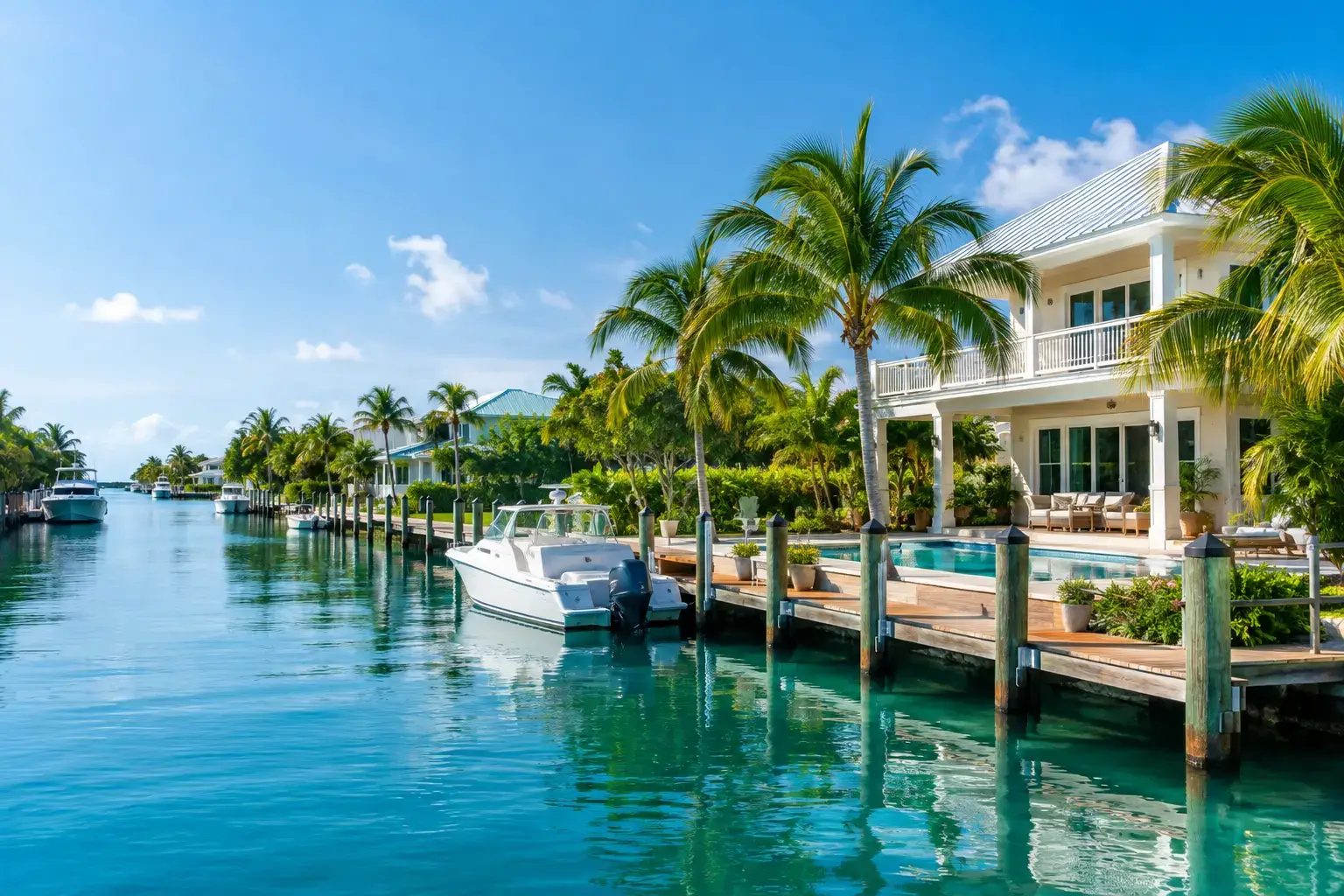
A canal-front address can change the rhythm of life in the Lower Keys. Coffee on the porch may come with mangrove views, a quiet paddleboard launch, or the sight of your boat waiting behind the home. For buyers considering Key West canal front homes, that promise is real, but the best purchase depends on far more than the view from the backyard.
Canal properties vary widely in boating access, elevation, dock condition, neighborhood character, and long-term ownership costs. A home that feels perfect for a weekend retreat may not fit a year-round boater, a family relocating to the Keys, or an investor evaluating permitted rental potential. Understanding those differences before making an offer helps turn a waterfront dream into a property that supports the way you actually want to live.
What Canal-Front Living Really Offers
Canal-front ownership brings water close to home without necessarily placing you directly on the open ocean. That distinction matters. Many buyers appreciate the calmer setting of a canal, where the water can be better suited to kayaking, paddleboarding, fishing from the dock, and keeping a boat at home.
For boaters, private dockage can be one of the strongest advantages. It can eliminate the daily logistics of trailering a boat or arranging marina storage, while making spontaneous outings more realistic. Yet canal access is not one-size-fits-all. The route from a home to open water may involve bridges, turns, shallow areas, idle-speed zones, or longer travel times than expected.
The lifestyle also has a quieter side. Canal homes can offer a welcome degree of privacy, especially on lower-traffic streets, but water activity brings movement and sound. Neighbors may be departing early for fishing, returning at sunset, or maintaining vessels at their docks. For many people, that energy is part of the appeal. For others, a more sheltered residential setting may be a better match.
Key West Canal Front Homes: Start With Water Access
A beautiful canal view should be the beginning of due diligence, not the end. The practical question is simple: can the water access support the boat and boating plans you have now, or may have later?
Start by considering the vessel itself. A center-console fishing boat, sailboat, flats boat, and small runabout have very different requirements. Draft, beam, height, lift capacity, and bridge clearance can all affect whether a particular home works. A fixed bridge can be irrelevant to one buyer and a complete limitation to another.
It is also wise to ask how the canal behaves at low tide and during seasonal conditions. Depth can vary, and charts alone do not tell the entire story of local navigation. An experienced waterfront-focused broker can help buyers frame the right questions, while marine professionals can evaluate the details of docks, lifts, pilings, seawalls, and access conditions.
Distance to open water deserves equal attention. Some owners are happy with a longer ride because they value a particular neighborhood, larger lot, or more private canal. Others want the fastest possible route to the Atlantic, Gulf, reef fishing grounds, or backcountry waters. There is no universal best location. There is only the location that fits your preferred days on the water.
The Dock, Seawall, and Lift Are Major Assets
A canal-front home may include a seawall, dock, boat lift, davits, or a combination of these features. They add real utility, but they also require inspection and maintenance. Waterfront structures are exposed to salt air, sun, wave action, and storms, so their condition can affect both the purchase decision and future budget.
During inspections, buyers should look beyond whether a dock appears attractive from the patio. The age and integrity of pilings, decking, electrical connections, ladders, cleats, lift components, and seawall cap all matter. Permits and documentation are important as well. Work completed without proper approvals can create complications when selling, insuring, repairing, or replacing a structure.
A home with an older dock is not automatically a poor choice. It may still be a sound purchase if the price, location, and improvement plan align. The key is to understand the likely scope and cost of future work before contingencies expire, rather than discovering it after closing.
Insurance, Elevation, and Storm Readiness
Every Florida Keys buyer should approach insurance early, and waterfront properties make that step especially important. Flood zone, elevation, construction type, roof age, opening protection, prior claims, and the home’s mitigation features can influence available coverage and premiums.
Canal-front homes may offer a strong lifestyle benefit, but they can also carry more exposure to wind, flood, and saltwater conditions. Buyers should request insurance estimates during the offer period rather than treating them as an afterthought. A property’s elevation certificate, flood insurance history, and wind-mitigation details can provide useful context, although current quotes remain the clearest way to understand real carrying costs.
Storm readiness is not only about insurance. Ask how the home is secured when vacant, especially if it will be a second residence. Impact-rated windows and doors, roof condition, drainage, generator arrangements, dock equipment, and a local property-management plan can all contribute to peace of mind. The right preparation supports both personal use and long-term asset stewardship.
Location Shapes the Experience Beyond the Water
Buyers often begin their search with Key West in mind, then discover that Stock Island or other Lower Keys communities better match their priorities. The right choice may come down to lot size, proximity to Old Town, access to services, boating routes, price range, or the feel of the neighborhood.
Within Key West, canal-adjacent areas can offer an appealing balance of residential calm and access to restaurants, shopping, healthcare, and cultural life. Stock Island may appeal to buyers seeking a more maritime atmosphere, working waterfront energy, and convenient access to Key West. Further into the Lower Keys, homes may offer larger parcels, different water access patterns, and a more relaxed separation from the island’s activity.
Commute time matters if you are relocating for work, have school-age children, or expect frequent guests. So does parking. A canal home with room for vehicles, a trailer, and gear can be especially valuable for owners who plan to use the property actively. These everyday details often matter more over time than a single upgraded finish inside the house.
Match the Property to Your Ownership Plan
Before narrowing the search, clarify whether the home will be a primary residence, second home, vacation-rental investment, or a blend of personal use and income strategy. Each path calls for a different evaluation.
For a primary residence, daily livability may lead the decision. Storage, parking, kitchen function, storm preparation, and the convenience of getting on and off the island can outweigh the appeal of maximum dockage. For second-home buyers, lock-and-leave security, maintenance needs, and reliable local vendors may carry more weight.
Investors should be particularly careful not to assume a canal-front address automatically translates into rental income. Vacation rental rules, licensing, occupancy requirements, neighborhood restrictions, and operating costs must be reviewed for the specific property and jurisdiction. A home can be an excellent personal retreat without being the right investment vehicle, and vice versa.
As you compare homes, focus on four practical questions:
- Does the water access work for the boat and activities we value?
- Are the dock, seawall, and lift in a condition we understand and can budget for?
- Do insurance and maintenance costs fit our full ownership plan?
- Does this location support our daily routine, not just our vacation vision?
A More Confident Way to Buy Waterfront
The most successful canal-front purchases begin with clear priorities and a thorough review of the property’s waterfront features. Photos can show sparkling water and a sunny dock, but they cannot answer whether the channel depth, bridge clearance, insurance profile, or neighborhood rhythm will work for you.
A personalized real estate consultation can bring those priorities into focus before the search becomes overwhelming. Golden Sapphire Real Estate helps buyers connect lifestyle goals with the on-the-ground details that shape a sound Keys purchase, from boating access and neighborhood fit to inspection strategy and long-term ownership considerations.
The right canal-front home should invite you outside more often, make time on the water easier, and still feel practical when weather shifts or everyday responsibilities take over. When a property supports all three, it can become far more than a beautiful place to stay.