

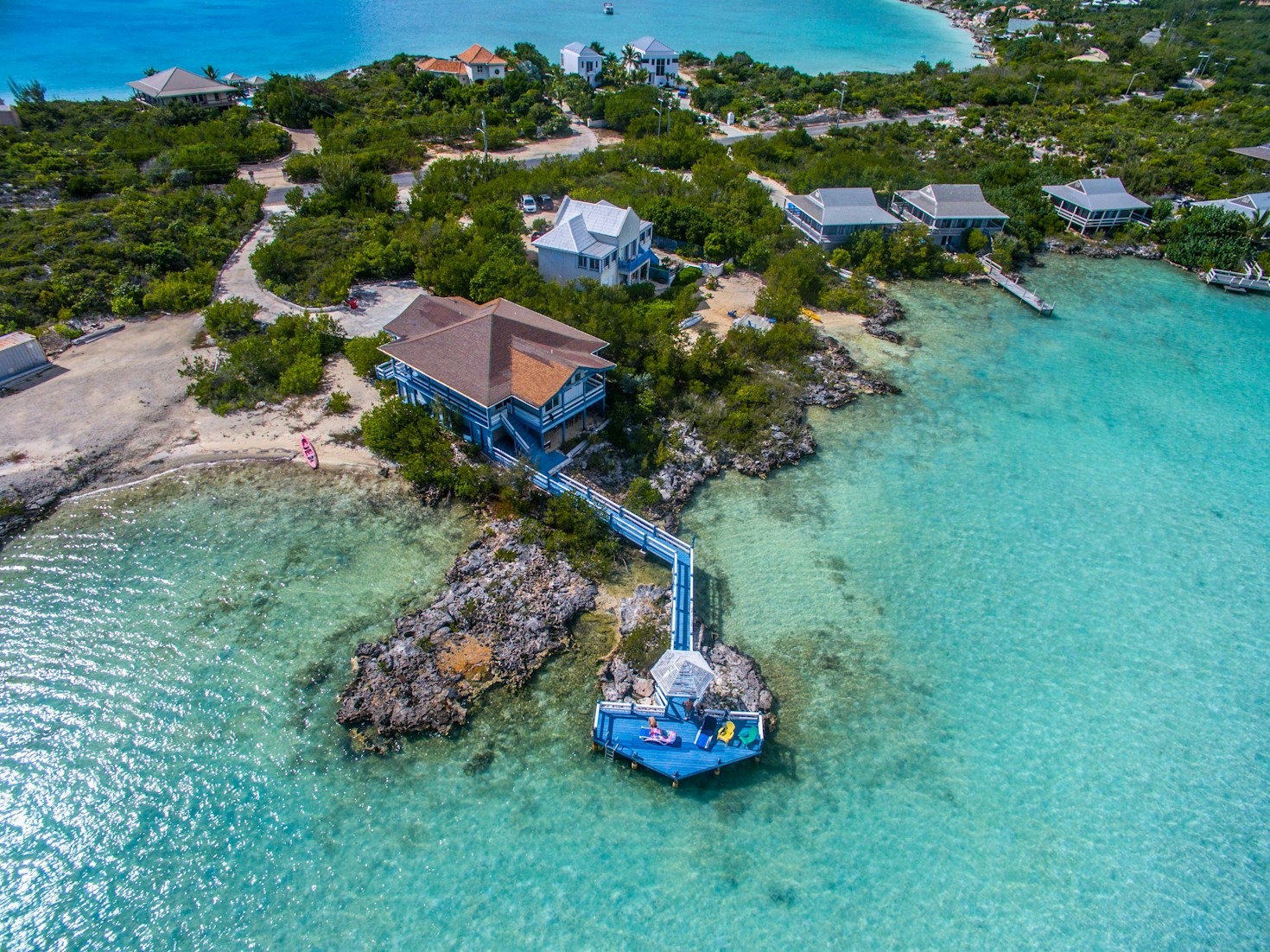
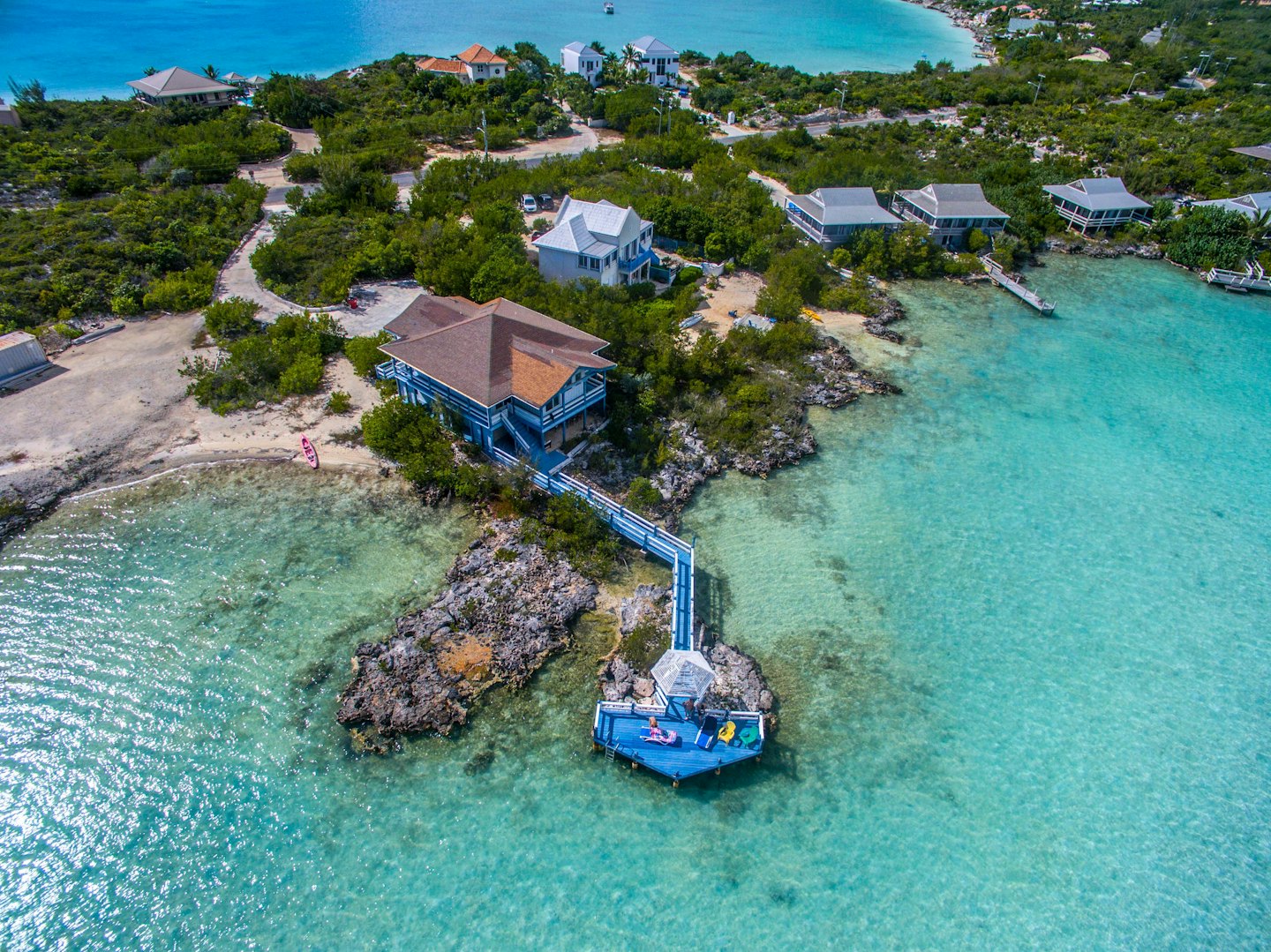
Waterfront living in Key West can mean very different things. One property may overlook the Atlantic, another may include a canal-front dock, and another may simply place you within walking distance of a marina. Before falling in love with a view, it helps to understand the island’s different waterfront settings—and the practical questions that come with each one.
In Key West, “waterfront” describes the view. “Boat-friendly” requires a much longer conversation.
Recent public conversations about Key West real estate consistently return to the same considerations: purchase price, insurance, parking, transportation, flood exposure and the difference between living near the water and keeping a boat behind your home. This guide offers a starting point for comparing waterfront and water-adjacent areas without attempting to rank one neighborhood over another.
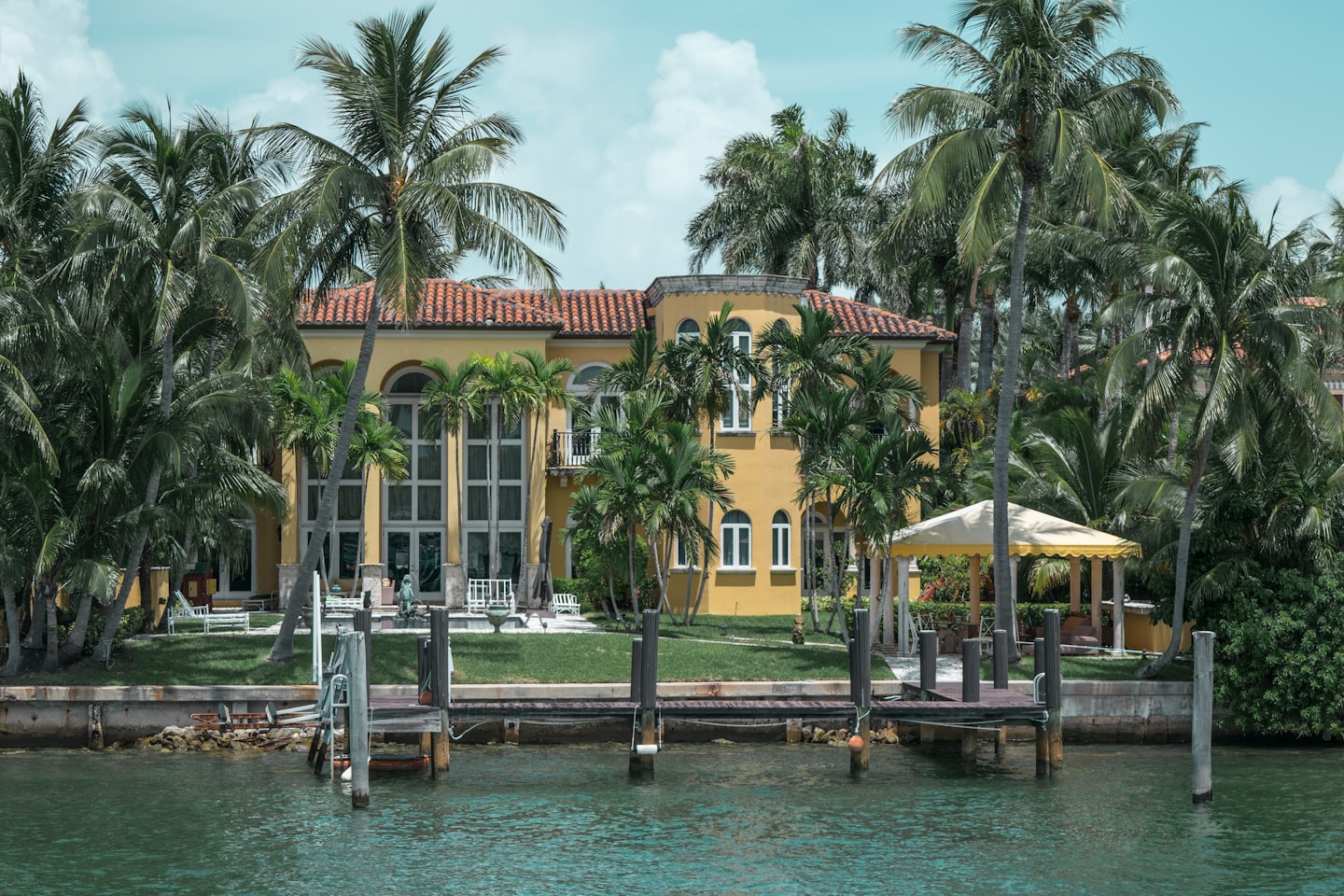
Oing in the address. Key Haven and Nearby Lower Keys Communities Buyers searching for canal-front homes and private dockage may also explore communities just beyond Key West, including Key Haven and other nearby Lower Keys islands. These properties can provide direct canal or open-water access, but they generally fall under Monroe County rather than the City of Key West. Buyers should verify water depth, bridge clearance, canal width, tidal conditions and the time required to reach preferred boating destinations. Distance should also be measured realistically. A property may have a Key West mailing address while being outside the City of Key West, and travel time can change with traffic on the Overseas Highway. Seven Things to Verify Before Buying Waterfront Property Waterfront buyers should investigate more than the home itself: Actual water access: Does the property have a legal, usable dock—or merely a water view? Boating conditions: Confirm controlling depth, tides, canal width, bridge clearance and access to open water for your specific vessel. Dock and seawall condition: Determine ownership, permitting history, maintenance responsibilities and the likely cost of repairs or replacement. Flood zone and elevation: Review the current FEMA flood map, elevation certificate when available and any preliminary map information affecting the property. Insurance: Obtain property-specific homeowners, wind and flood insurance estimates before the inspection or financing deadlines expire. Permitting jurisdiction: Determine whether the property is governed by the City of Key West or unincorporated Monroe County. Do not assume based on the mailing address. Rental authorization: If rental income is part of the plan, independently verify the property’s zoning, licensing and association restrictions. In Key West, advertising or renting a residence for fewer than 30 days generally requires appropriate transient authorization. A history of vacation rentals does not automatically prove that future short-term rentals are legal. A Note About Renovations and Building Requirements Most Key West properties are located within mapped flood-hazard areas. Current City guidance states that new or elevated structures generally require at least one foot of freeboard above the applicable base flood elevation. Renovations can also trigger substantial-improvement rules. Before budgeting for an addition, enclosure, major remodel or post-storm repair, consult the appropriate building and floodplain departments. Below-base-flood-elevation enclosures can face strict limitations on how the space may legally be used. Regulations, flood maps and interpretations can change. Information from a prior owner, online listing or contractor should be confirmed with the City of Key West, Monroe County, FEMA and properly licensed professionals.
Wrapping Up with Key Insights
In this concluding paragraph, summarize the key takeaways from your article, reinforcing the most important ideas discussed. Encourage readers to reflect on the insights shared, or offer actionable advice they can apply in their own lives. This is your chance to leave a lasting impression, so make sure your closing thoughts are impactful and memorable. A strong conclusion not only ties the article together but also inspires readers to engage further.
Leave a Reply